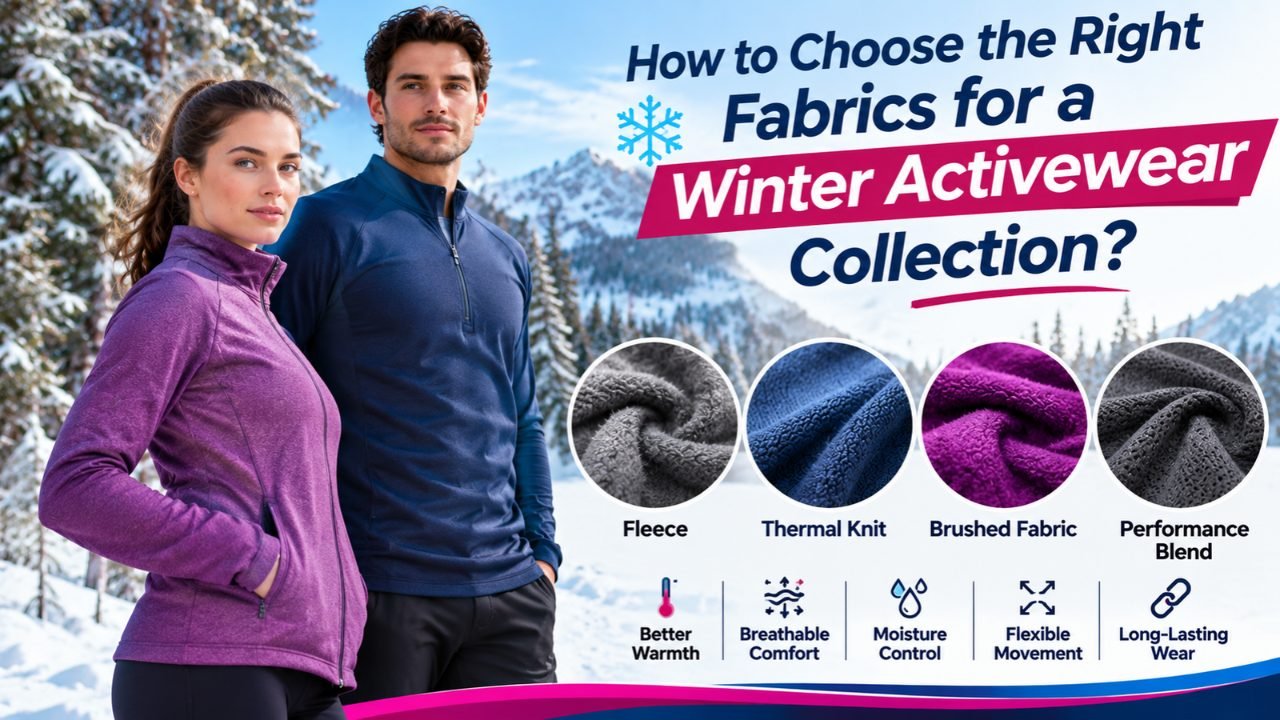
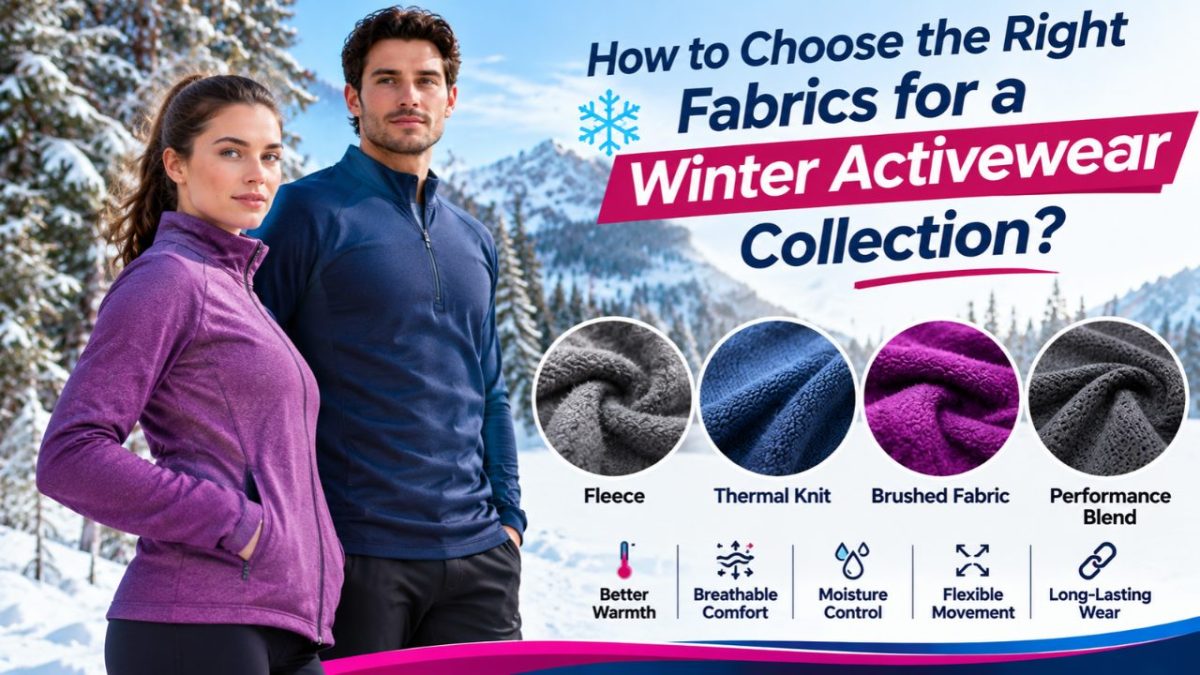
Begin with the right fabrics. That is a good way to start building the best winter activewear collection for 2026. You can provide your customers with enough warmth and durability. Plus, they can also enjoy a lot of stretch. And they can also benefit from breathable fabrics. But it can be slightly difficult to make the right fabric choices. Here is how you should pick the right fabrics for your retail or private label winter activewear collection.
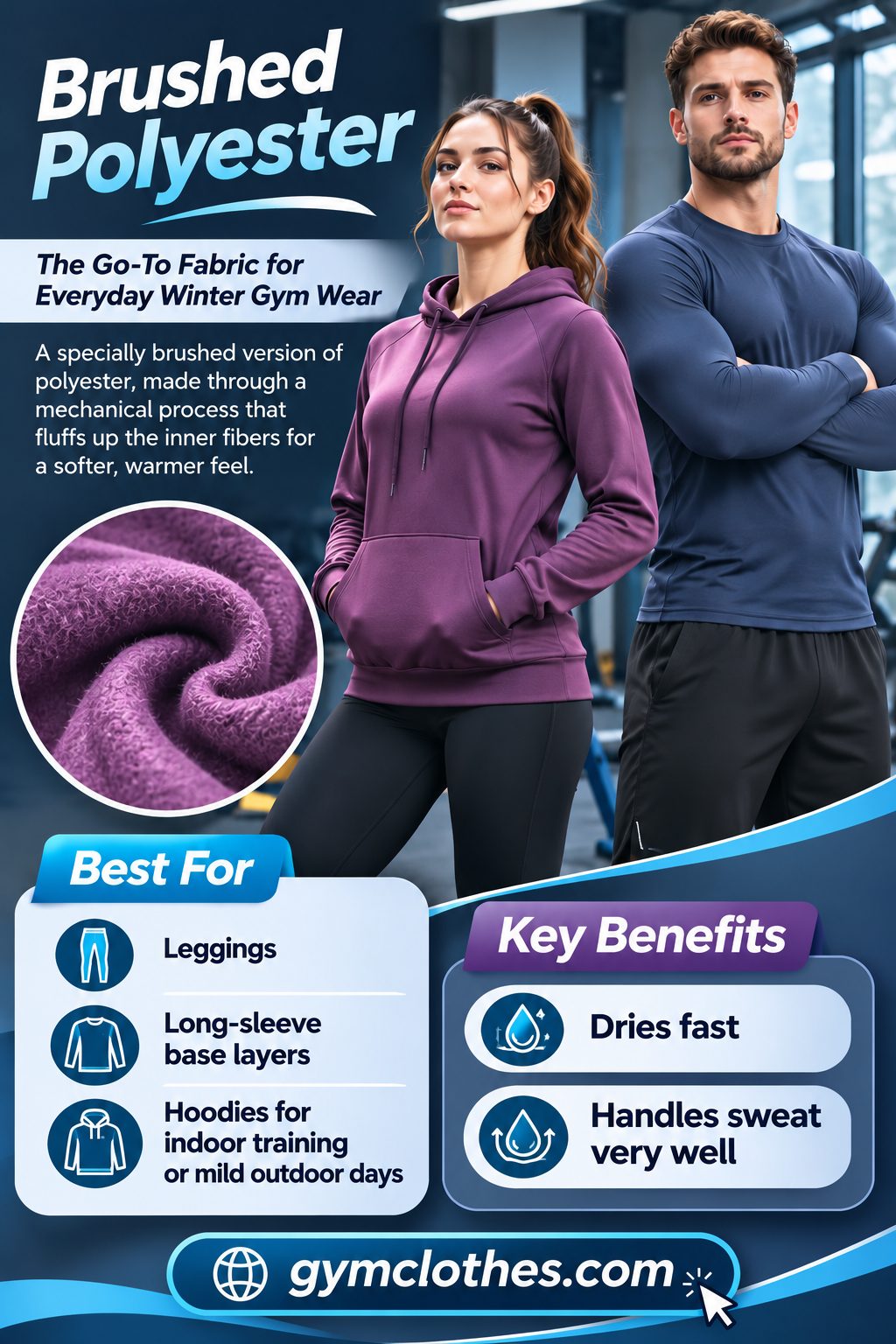
Brushed Polyester
This is the fabric of choice for everyday winter gym wear. It is important for you to remember that standard polyester fabric is treated with a mechanical brushing process. It helps to fluff up the inner fibers.
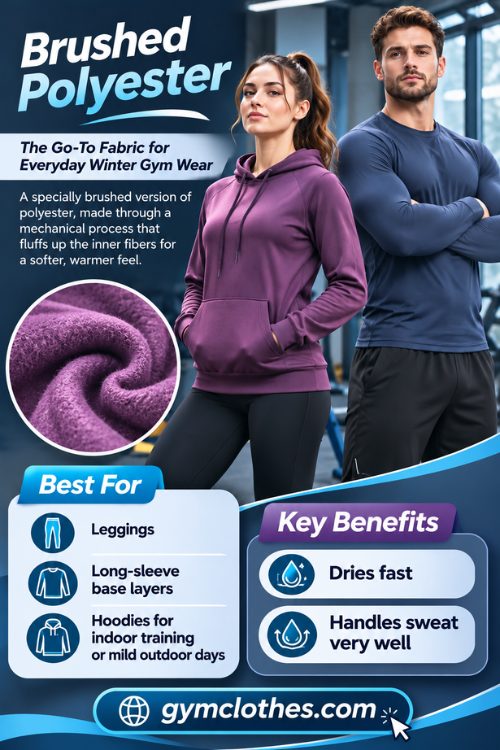
This type of fabric is best for:
- Leggings,
- Long-sleeve base layers, and
- Hoodies, meant for indoor training or mild outdoor days
Brushed polyester is capable of drying up fast. It can also handle sweat very well.
Fleece Fabrics
These are ideal for warmth and comfort during the winter season. You can get winter apparels composed of this type of thick, insulating textile with a deep, fuzzy pile. It is frequently made out of polyester or poly-cotton blends. Fitness lovers can get supreme coziness. They can stay comfortable due to optimal amount of thermal retention.
This type of fabric is best for:
- Post-workout jackets,
- Outer layers,
- Sweatpants, and
- Oversized pullovers
You have to keep in mind that traditional heavy fleece lacks stretch. Due to this reason, you must look for micro-fleece or stretch-fleece blends so that your consumers can get support for active movement. It is important to understand that your customers will not wear these fabrics to work out inside the gym only. They will also love to go outside, just as during the summer months. When they are dressed in fleece fabrics, it will be easier for them to stay insulated from the weather outside in the cold season. And they will thank you for taking care of their health with the right fabrics on offer.
Nylon-Spandex Blends
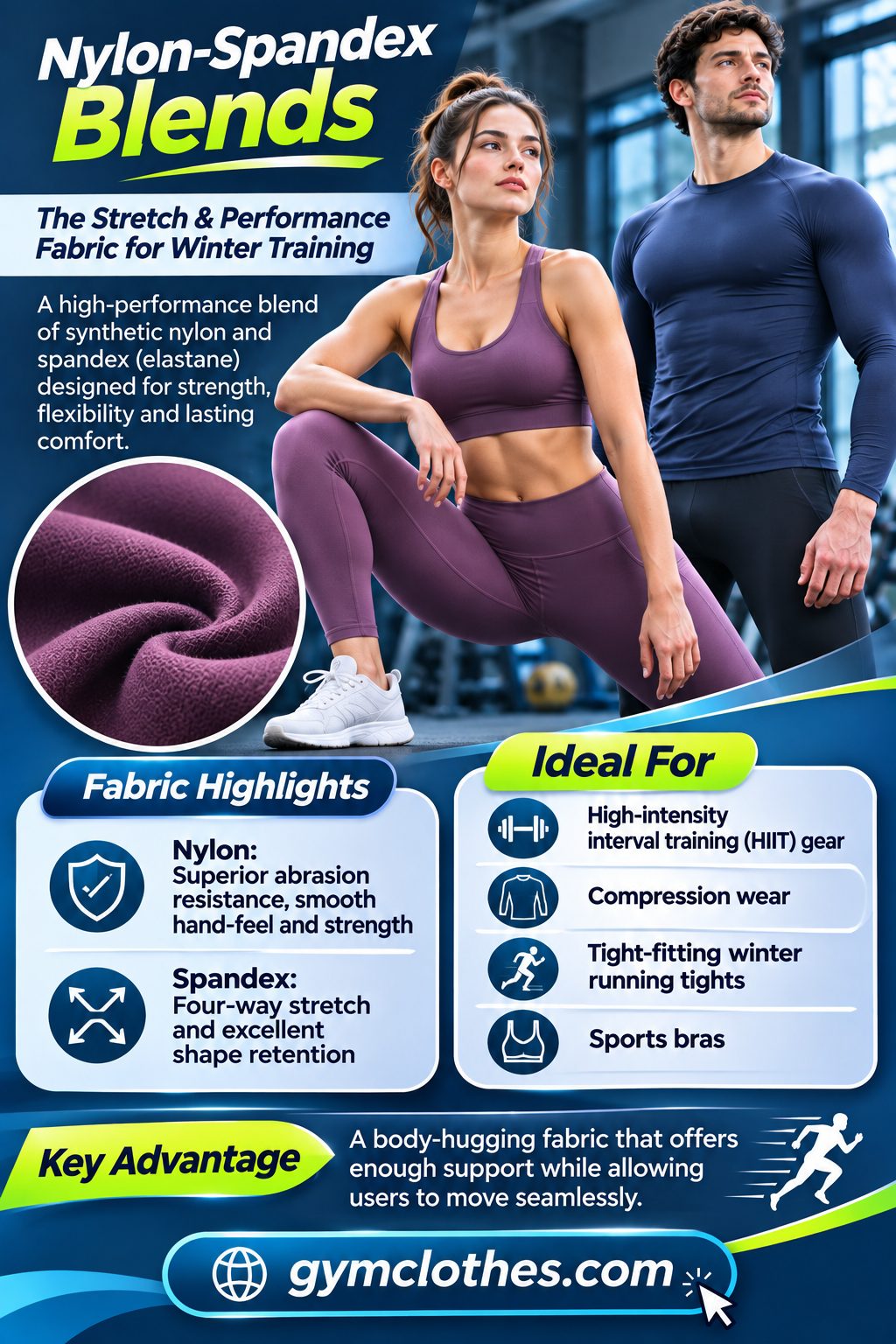
These types of blended fabrics are perfect for stretch and performance. You should try to get a high-performance combination of synthetic nylon and elastic spandex (elastane).
It can be a big advantage to go for these fabrics for your winter collection. Nylon comes with the promise of superior abrasion resistance. It is known for a smooth hand-feel and strength. On the other hand, spandex delivers four-way stretch and shape retention.
Your customers can easily benefit from these types of fabrics for their high-intensity interval training (HIIT) gear, compression wear, tight-fitting winter running tights or sports bras. This type of body-hugging fabric offers enough support while allowing users to move seamlessly.
Thermal Fabrics
These are necessary for cold-weather training. Such kinds of fabrics come with textured knits like:
- Waffle-grid patterns,
- Brushed backer channels, or
- Hollow-core polyester yarns
Fabrics like these are ideal for winter collections because the grid or waffle structure traps warm air close to the skin. At the same time, excess moisture and vapor can get the chance to escape easily.
Fabrics of this type are ideal for the construction of cold-weather cycling gear, base layer leggings and sub-zero running tops. These can keep wearers dry enough so that their sweat does not turn into a chill later as their body temperature drops.
Cotton-Polyester Blends
Such fabrics are ideal for casual winter athleisure. Look for a blend that combines synthetic polyester with natural cotton fibers.
Cotton lends a soft, familiar, breathable feel. On the other hand, polyester speeds up drying time. It can prevent shrinking or loss of shape of the garment. As a smart retailer or private label seller, you need to provide your customers with both types of benefits so that they will love to come back to your store again and again. You can make a positive impression on them with your offerings.
Final Thoughts
If you are planning to build a successful winter activewear collection, you have to look for the best fabrics to provide your consumers with perfect choices. It will be easier for you to do so when you tie up with the right manufacturer. You can match the performance necessities of your consumers as well as provide them with eco-friendly options.