When it comes to managing stress, incorporating mindfulness exercises into your routine can be a game-changer. By taking a few moments to pause, breathe, and tune into the present moment, you equip yourself with invaluable tools for navigating life’s challenges with a sense of calm and clarity. These practices offer profound benefits beyond just stress relief, enhancing your overall well-being in unexpected ways. So, why not explore how mindfulness exercises can transform not only how you handle stress but also how you engage with the world around you?
Benefits of Mindfulness for Stress
By practicing mindfulness, you can experience reduced stress levels and increased mental clarity. Mindfulness allows you to focus on the present moment, letting go of worries about the past or future that often contribute to stress. When you’re mindful, you become more aware of your thoughts and feelings without judgment, helping you manage stress more effectively. This heightened awareness enables you to recognize stressors as they arise and choose how to respond to them calmly.
Moreover, mindfulness can enhance your mental clarity by sharpening your ability to concentrate on the task at hand. By staying present and attentive, you can improve your cognitive function and decision-making skills. This increased mental clarity not only reduces stress but also fosters a sense of calm and control in your daily life.
Incorporating mindfulness into your routine can lead to long-lasting benefits for managing stress and improving overall well-being. Take a few moments each day to practice mindfulness exercises, such as deep breathing or mindful walking, to reap these positive effects on your mental health.
Body Scan Meditation Practice
To cultivate a deeper sense of mindfulness and relaxation, consider starting a body scan meditation practice. Body scan meditation involves focusing your attention on different parts of your body, from head to toe, noticing any sensations without judgment.
Find a quiet and comfortable space to lie down or sit for this practice. Begin by bringing your awareness to your breath, allowing yourself to relax and be present in the moment. Slowly shift your attention to your body, starting at the top of your head. Notice any tension, warmth, or tingling sensations as you move down through your body.
If you encounter areas of tightness or discomfort, breathe into them and visualize the tension melting away. By systematically scanning each part of your body, you can release physical and mental stress, promoting a sense of calm and well-being.
Practice this body scan meditation regularly to enhance your mindfulness skills and reduce stress levels effectively.
Mindful Breathing Techniques
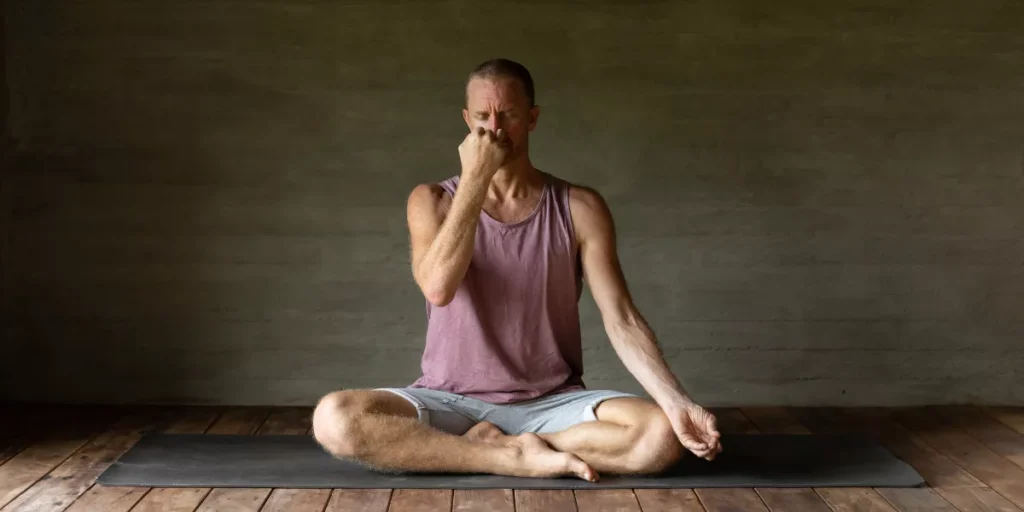
For enhancing mindfulness and reducing stress levels, practice mindful breathing techniques regularly. Mindful breathing involves focusing your attention on your breath, bringing awareness to each inhale and exhale. Find a comfortable position, close your eyes, and take a few deep breaths to center yourself. As you breathe in and out, notice the sensation of the air entering and leaving your nostrils. Feel your chest and abdomen rise and fall with each breath. If your mind starts to wander, gently guide your focus back to your breathing without judgment.
One effective mindful breathing technique is the 4-7-8 method. Inhale through your nose for a count of 4, hold your breath for a count of 7, then exhale slowly through your mouth for a count of 8. This technique can help calm your nervous system and promote relaxation.
Another technique is belly breathing, where you focus on breathing deeply into your diaphragm, allowing your belly to rise and fall with each breath.
Loving-Kindness Meditation Exercise
Practice the loving-kindness meditation exercise to cultivate compassion and promote emotional well-being. This powerful technique involves directing positive thoughts and well-wishes towards yourself and others. Find a quiet and comfortable space to sit or lie down. Close your eyes and take a few deep breaths to center yourself. Begin by focusing on sending loving-kindness to yourself. Repeat phrases like ‘May I be happy, may I be healthy, may I be safe, may I live with ease.’ Feel the warmth and kindness in these words enveloping you.
Next, shift your focus to someone you care about deeply. Picture them in your mind’s eye and send them loving-kindness by saying, ‘May you be happy, may you be healthy, may you be safe, may you live with ease.’ Allow feelings of love and compassion to flow towards them. Continue this practice by extending loving-kindness to neutral individuals, difficult people, and eventually to all beings.
Loving-kindness meditation can help reduce feelings of anger, resentment, and stress while fostering empathy and connection with others. Regular practice can lead to increased emotional resilience and a greater sense of overall well-being.
Mindful Walking Practice
Engage in mindful walking to enhance your awareness of the present moment and connect with your surroundings on a deeper level. Mindful walking is a simple yet powerful practice that can help you reduce stress and improve your overall well-being.
As you begin your walk, focus on the sensations in your body – the gentle rise and fall of your chest as you breathe, the feeling of your feet making contact with the ground. Be fully present in each step you take, letting go of any distractions or worries. Pay attention to the sights, sounds, and smells around you, immersing yourself in the experience of walking.
Allow yourself to move at a pace that feels comfortable, letting go of the need to rush. With each step, feel a sense of gratitude for the opportunity to move and be alive. If your mind starts to wander, gently guide your attention back to the physical sensations of walking.
Mindful walking can be done anywhere – in a park, around your neighborhood, or even inside your home. Take this time to slow down, breathe, and appreciate the simple act of putting one foot in front of the other.